Model the rules
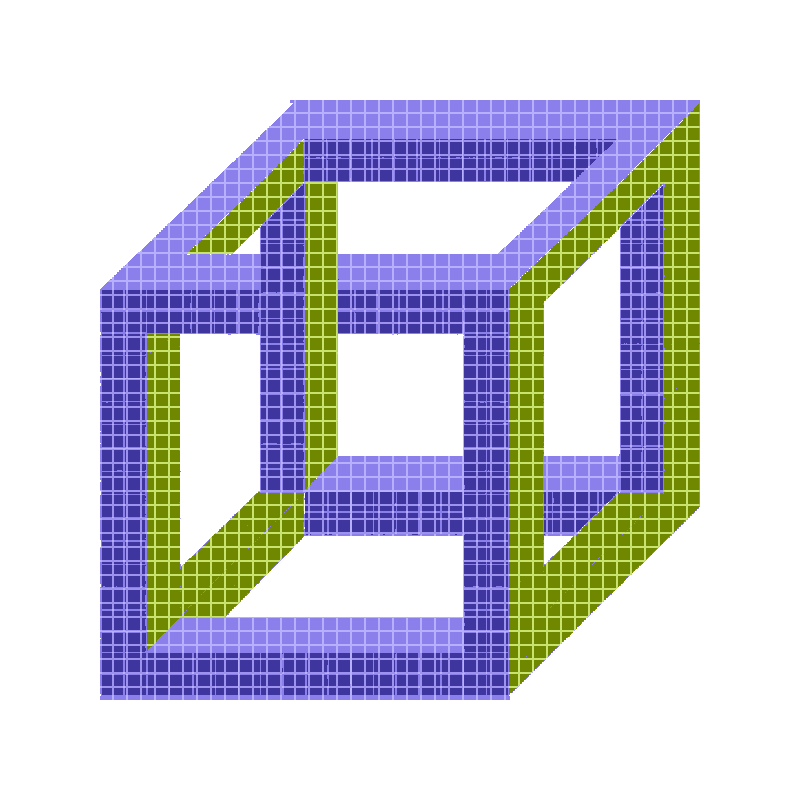
I map roles, permissions, states, dependencies and failure paths before committing to screens.
Before the interface
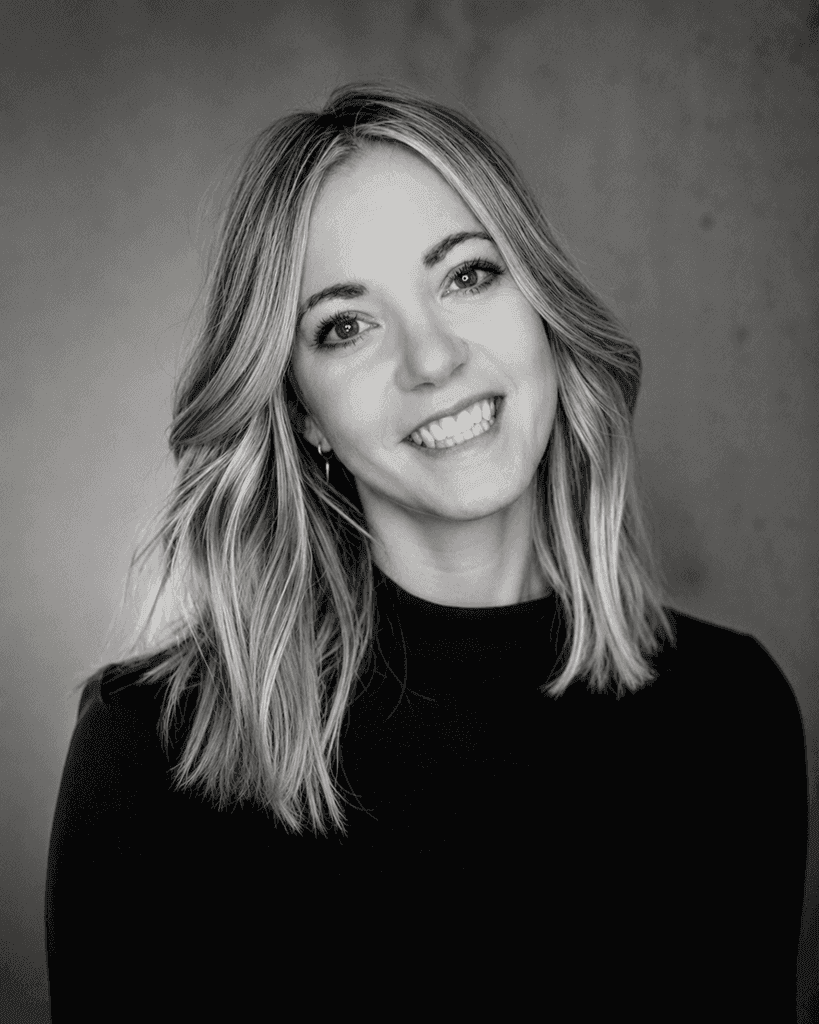 Debora Moratalla
AI guide
Short on time? Ask about me. Straight answers, with links to the proof.Selected work
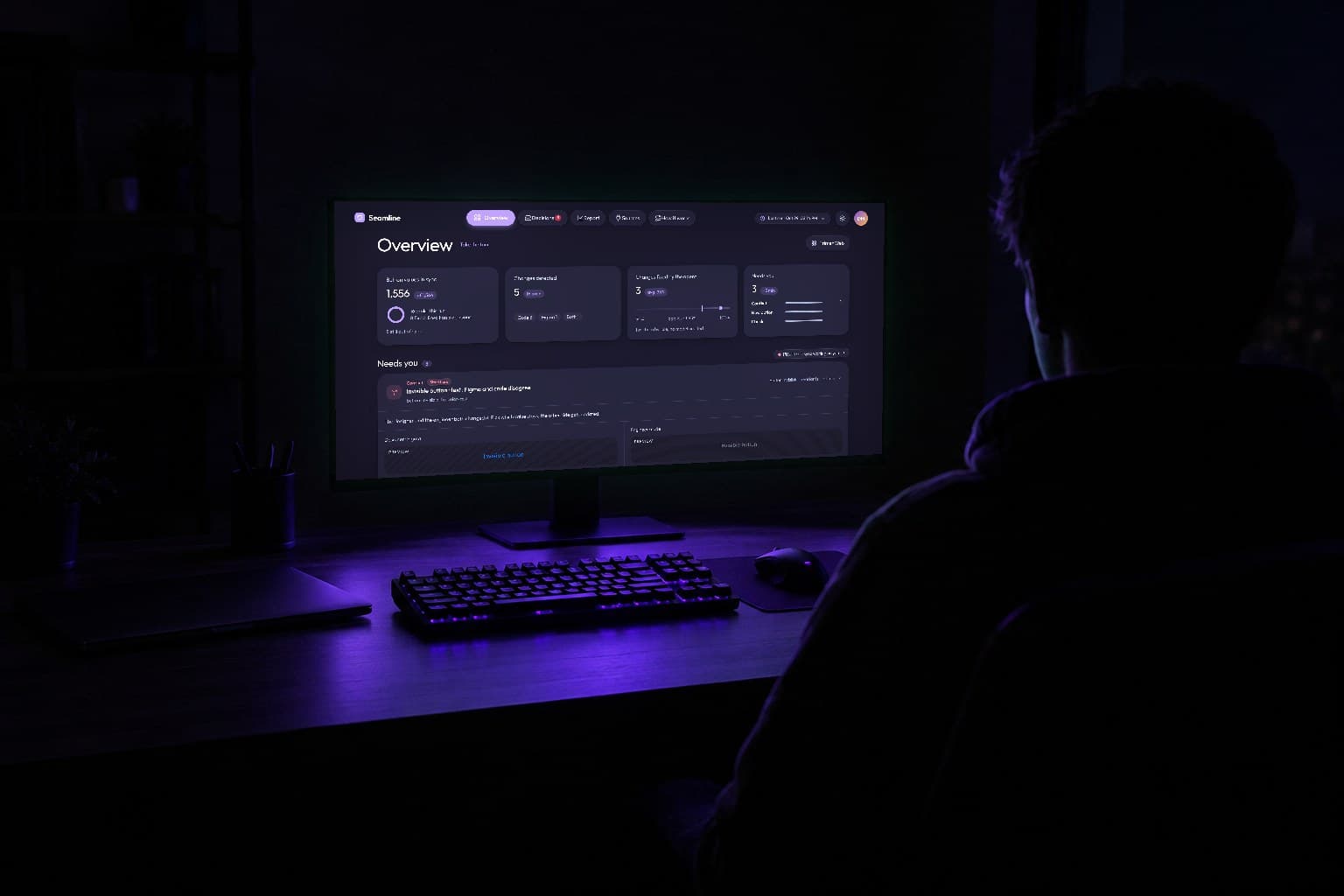
01An agent that keeps a design system in sync, and knows when to stop.
Solo · designed and built an AI agent
A budgeting product where status had become a coordination problem.
Solo designer · enterprise B2B

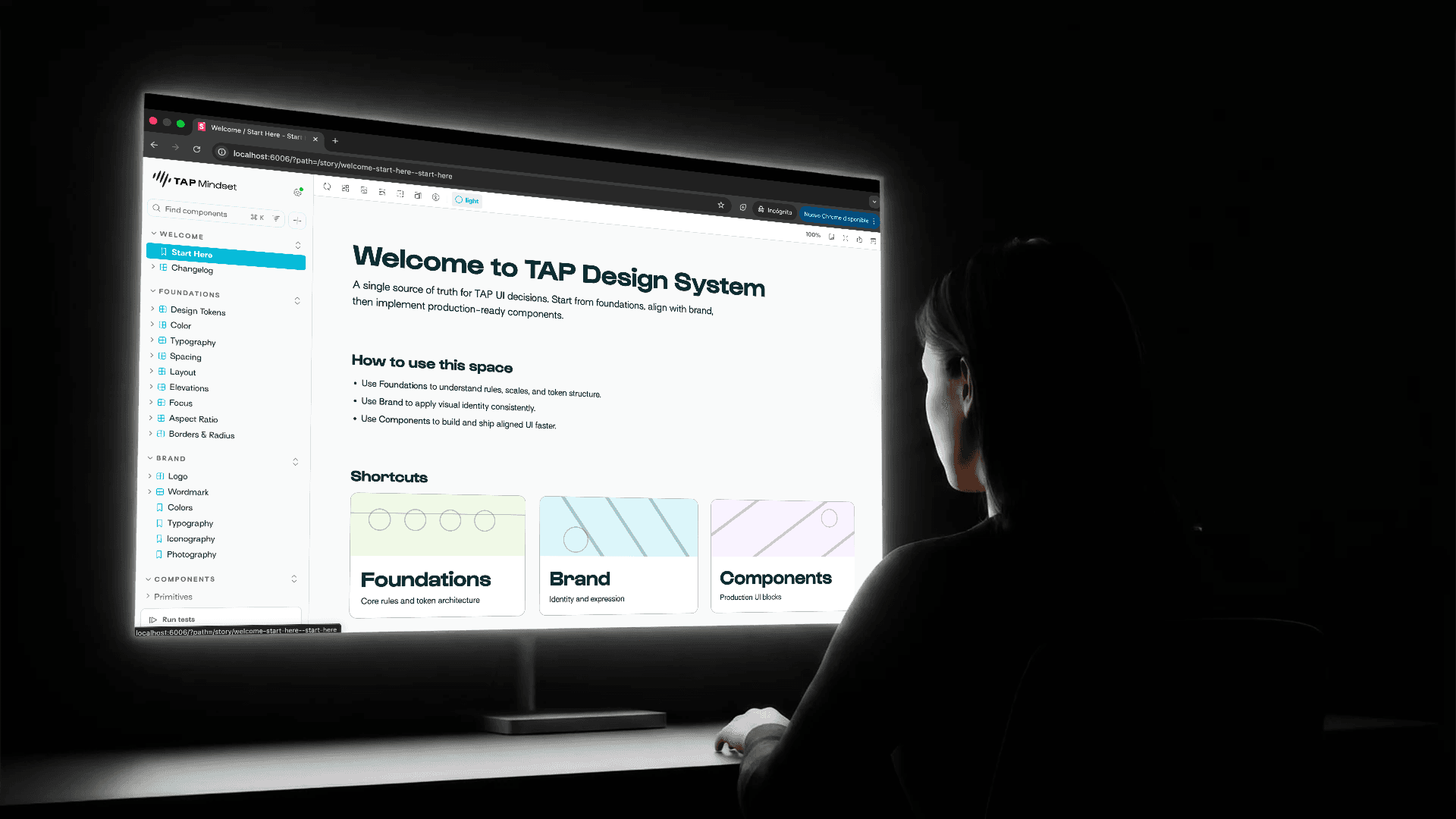
Keeping product, design and code in sync as the system grows.
Lead · design system and AI workflow
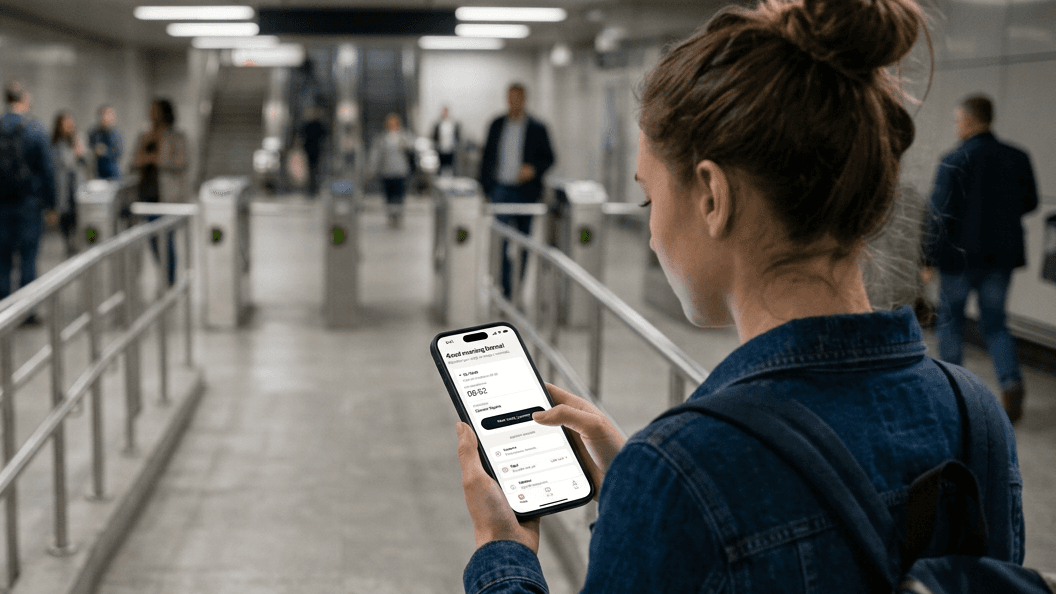
An autonomous commuting agent that knows when to act — and when to wait.
Lead · agentic UX concept
Turning one feature-led product into three role-based experiences.
Lead · 12-month product redesign

A municipal operations surface that preserves context from overview to action.
Product designer · built in code

How I work
02I map roles, permissions, states, dependencies and failure paths before committing to screens.
Before the interface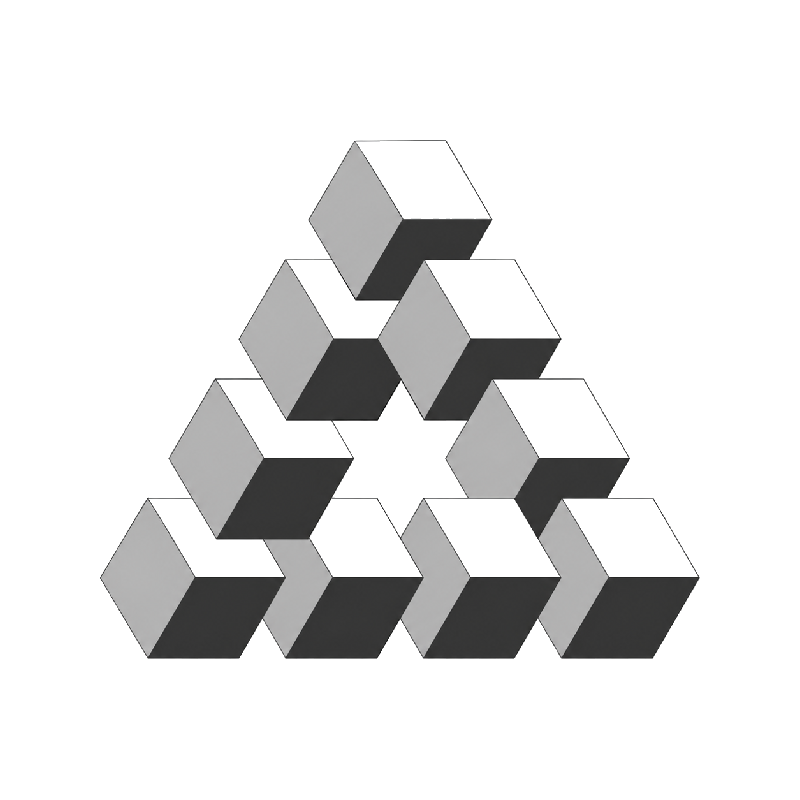
I make defaults, exceptions and product judgment visible while they are still inexpensive to change.
Before the debt
I bring engineering constraints into the work early and stay close enough to protect the intent as it ships.
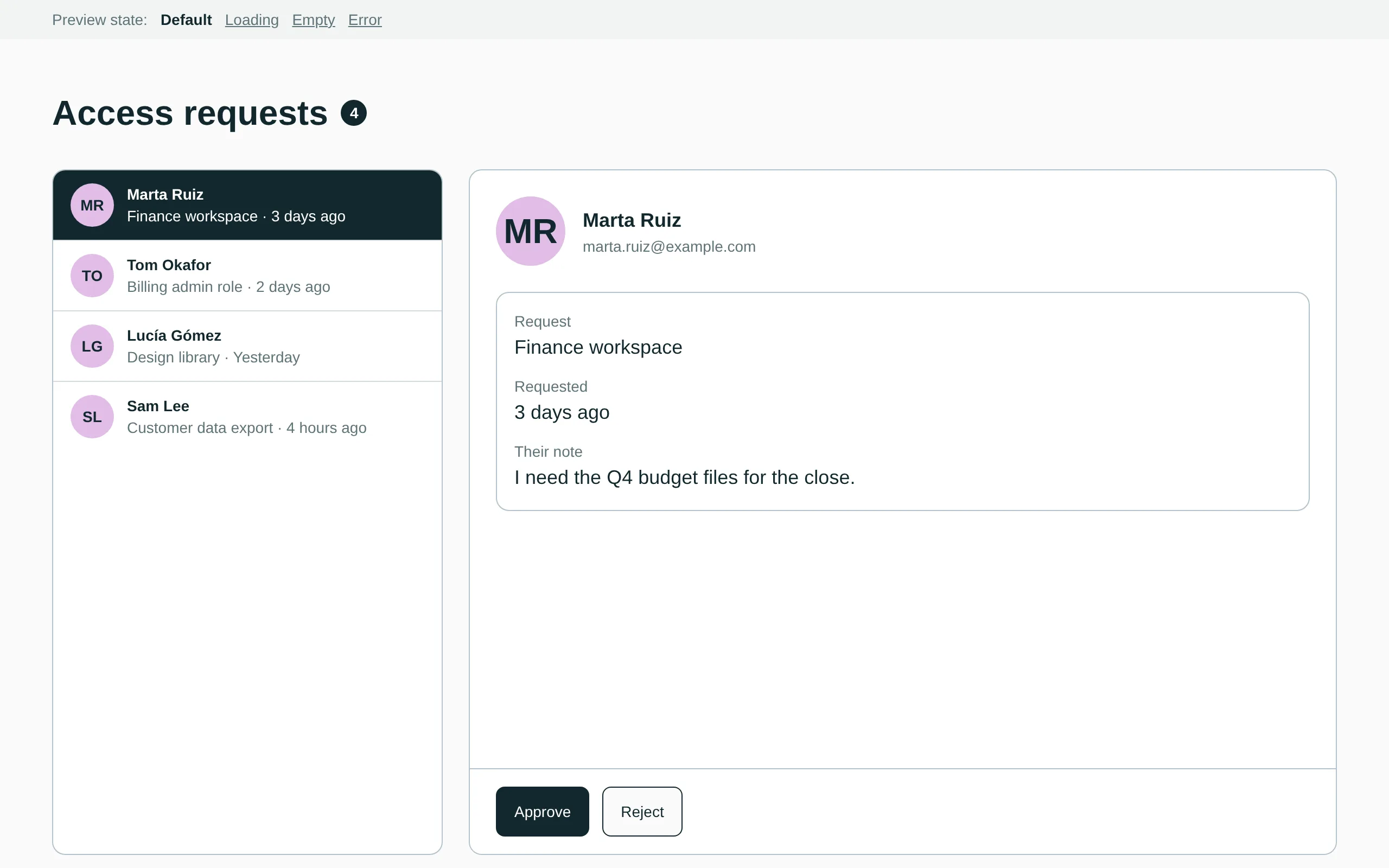
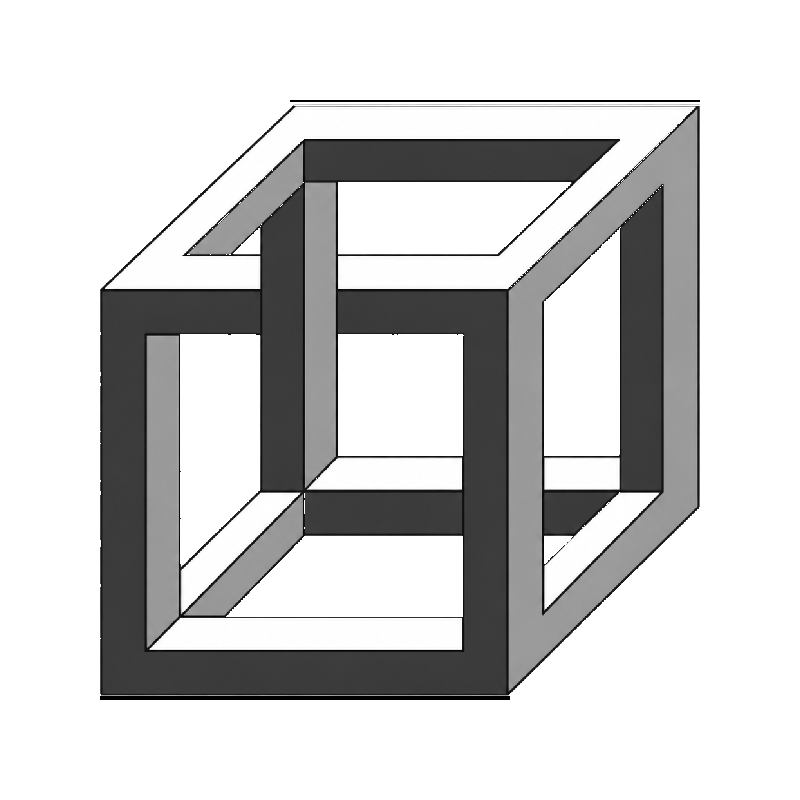
Before the handoff// A NOTE ON IMPOSSIBLE OBJECTSComplex systems rarely look impossible all at once. The contradiction appears when you follow the rules from one decision to the next. My job is to find that break before it ships.
Make the logic visible. Keep the intent buildable.
Lab
03Beyond my own work
04Guest speaker at Shift+R on seniority in the age of AI, and on how I built a design system with AI and what went wrong along the way.
I run UX/UI practice workshops for product and engineering, so good decisions don't depend on one designer being in the room.
At TAP I set up a weekly design and engineering review: automation prepares the work, a person approves anything that touches foundations, the API or accessibility.